Understandable systems
Code, data models and infrastructure that a new engineer can follow without a private explanation.
IT services, software development and technology consulting
About us
SHIRTIFY LIMITED works in software development, cloud engineering and technology consulting. We take on problems where the details matter and where the software has to keep working, and keep changing, for years.
Company overview
We build custom applications, web platforms and cloud infrastructure, integrate systems that need to share data, automate manual workflows, and advise organisations on technical direction.
Engagements are delivered by small teams that stay with a project from discovery through to operation. The same people who design a system are accountable for running it, which tends to produce simpler architecture and better documentation. We prefer a narrow set of well-understood technologies over a wide catalogue, because a system that is easy to reason about is easier to keep secure and cheaper to change.

Mission
Our mission is to build systems that people can rely on and that their owners can continue to change. That means writing software that is understandable, documenting the decisions behind it, and preferring durable solutions over quick ones that create work later.
Code, data models and infrastructure that a new engineer can follow without a private explanation.
Clear scope, visible assumptions, and problems raised as soon as we see them.
Solutions judged by how well they hold up after the first release, not just at handover.
Working principles
We invest time in the problem, the constraints and the people affected before proposing a technical answer.
Complexity is added only when a requirement genuinely demands it, and it is documented when it is.
Progress is demonstrated in running software, and open risks are stated plainly rather than deferred.
Tests, builds, deployments and routine checks are automated so human attention goes to judgement.
Every engagement should improve the written understanding of the system, not just its code.
We assume requirements will move, and structure software so that change is a normal event.
Engineering approach
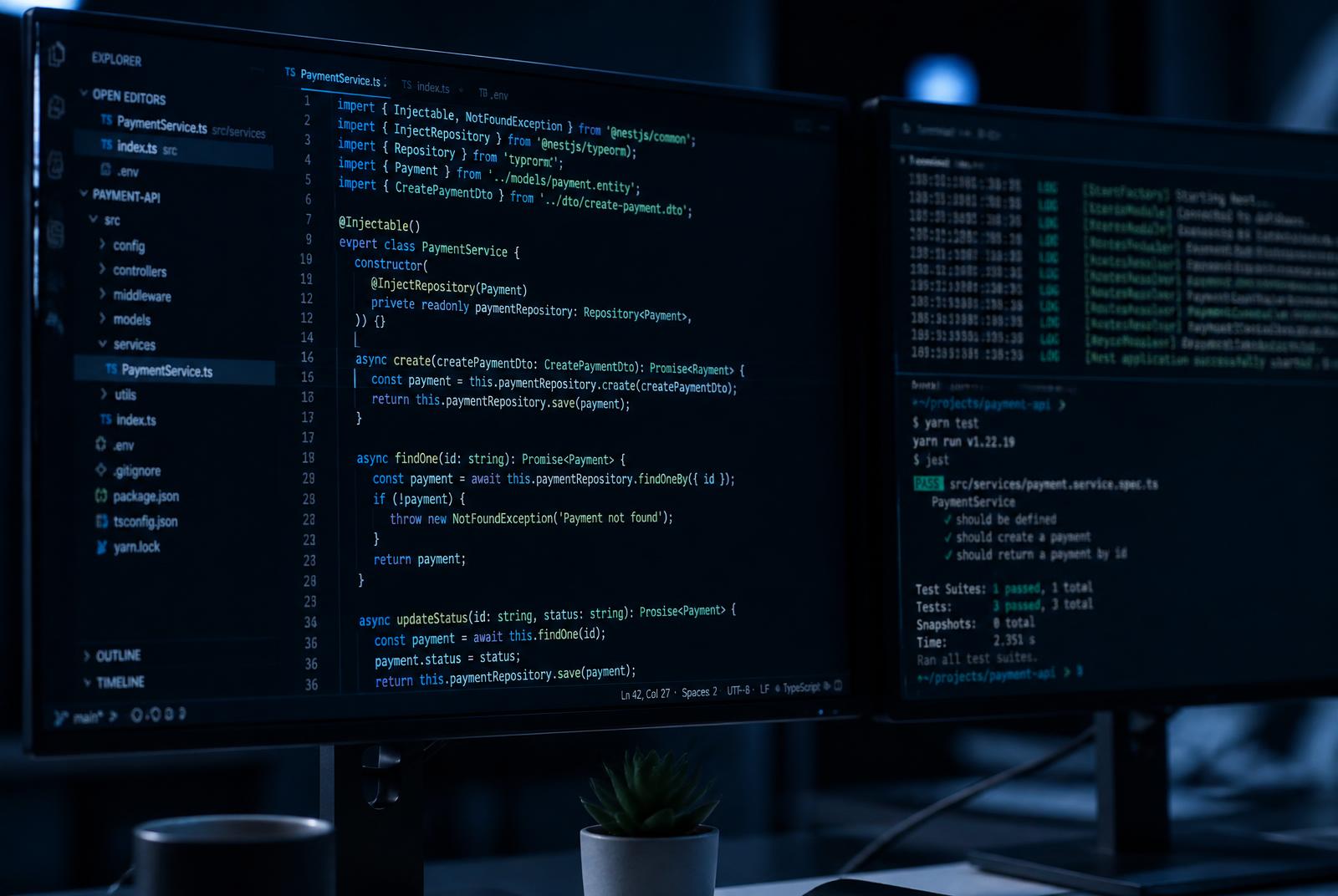
We work in small changes, reviewed by another engineer, protected by automated tests and released through repeatable pipelines. This is unglamorous, and it is the main reason systems stay stable while they grow.
Architecture decisions are recorded with their alternatives and trade-offs. Environments are described in configuration that lives in version control. Monitoring and logging are part of a feature's definition of done, so problems in production are observable rather than reported second-hand. When something does go wrong, we look for the systemic cause instead of the individual mistake.
Collaboration philosophy
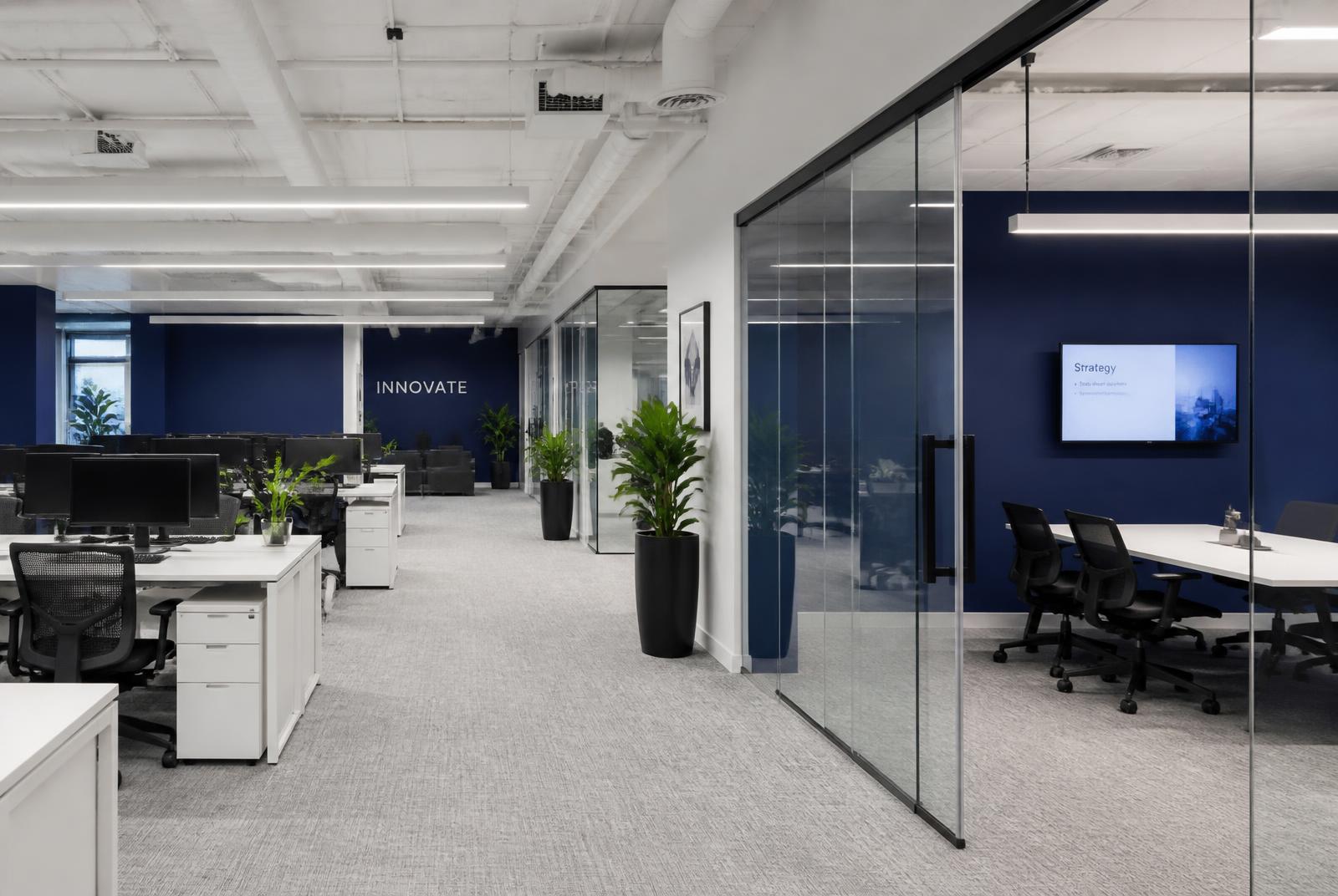
The people who use a system know things that no specification captures. We keep them involved throughout delivery, in short and frequent conversations rather than long formal reviews.
Written communication is our default, because it can be revisited and shared. Where a client has an internal engineering team, we work alongside it and share the same tooling, reviews and standards, with the aim that our contribution can be maintained by that team without us.
Commitment to maintainable software
Software costs more to own than to build. Our commitment is that what we deliver can be understood, tested, deployed and extended by whoever holds it next.
Consistent structure and naming, small units of behaviour, and comments reserved for explaining why rather than what.
Coverage aimed at business rules and integration boundaries, so tests protect behaviour instead of implementation detail.
Setup guides, architecture notes and runbooks kept current as part of ordinary delivery work.
Access, credentials, infrastructure definitions and operational knowledge transferred in an orderly way.